Sensor Gates – The Ideal Solution for Modern Offices
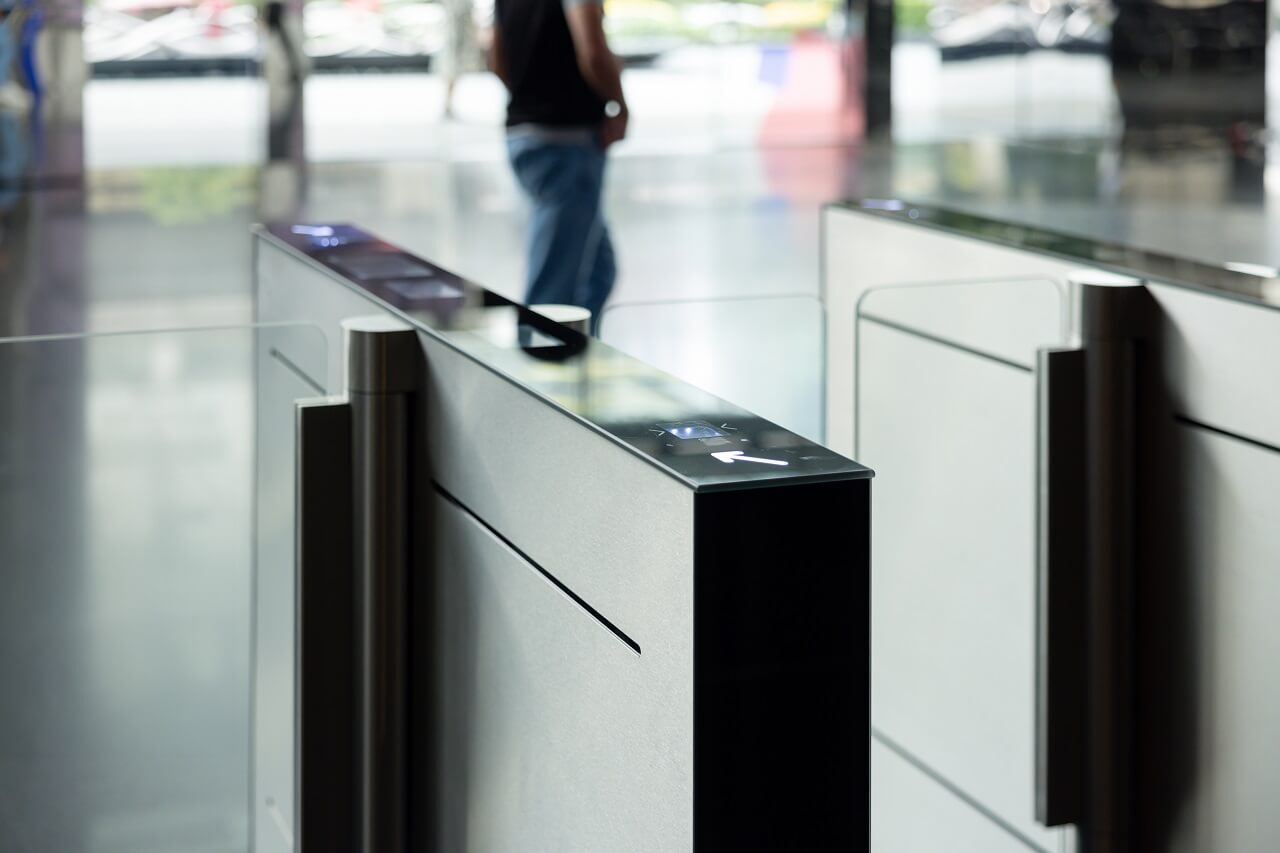
Table of Contents
-
What Are the Advantages of Sensor Gates Compared to Other Systems?
-
Which Locations Are Best Suited for Sensor Gate Installation?
How Do Sensor Gates Work and Why Are They Worth Installing?
Sensor gates are modern devices that play a key role in improving security and access management in office environments. Their operation is based on advanced sensor technologies that identify authorized individuals and eliminate the risk of unauthorized entry. These gates can be integrated with various verification systems, such as access cards, biometric fingerprint readers, or facial recognition. The primary purpose of sensor gates is to create controlled entry points that effectively manage people flow while ensuring smooth and comfortable passage. As a result, they support the development of secure and efficient office spaces.
There are several reasons why sensor gates are worth installing in modern offices. They increase security by preventing unauthorized access, improve the efficiency of access control through automation, allow precise monitoring of movement within the building, offer a sleek and modern design aligned with contemporary architecture, and integrate easily with existing security systems.
What Are the Advantages of Sensor Gates Compared to Other Systems?
Sensor gates offer a range of advantages that clearly distinguish them from other access control solutions. As pedestrian access gates, they are extremely user-friendly and eliminate the need for complex procedures. Unlike traditional systems such as mechanical locks or manual barriers, sensor gates automate the verification process, significantly improving comfort and efficiency of movement. The use of biometrics or access cards reduces the risk of human error, making them an ideal choice for dynamic office environments.
Another key advantage is energy efficiency. Thanks to intelligent sensors and automated operation, sensor gates consume less energy than systems that require continuous mechanical activity. They also offer high flexibility, with easy customization and seamless integration into existing access control infrastructures. Their modern, minimalist design enhances the visual appeal of office interiors, creating a secure yet stylish working environment.
Which Locations Are Best Suited for Sensor Gate Installation?
Sensor gates are particularly well suited for locations where a high level of security and access control is required. Modern offices with a large number of daily visitors, including employees and guests, are ideal environments for these solutions. In such settings, sensor gates help maintain order and enable precise monitoring of personnel movement. Their ability to integrate with existing verification systems ensures efficient security procedures while allowing smooth pedestrian flow.
Conference areas are another location where sensor gates provide significant value. These spaces often accommodate large groups, making efficient crowd management essential. Sensor gates are also widely used in public venues such as museums, galleries, and airports, where access control plays a critical role. Their adaptability and customizable features allow them to meet the specific requirements of each location, ensuring safe, organized, and efficient entry management.
How Do Sensor Gates Support Contactless Access Control?
Sensor gates play a vital role in enabling contactless access control, making them an ideal solution for modern office environments. Advanced contactless technologies based on motion sensors and RFID identification allow users to pass through access points smoothly without physical contact. This not only improves user convenience but also supports hygiene, which is especially important in high-traffic workplaces.
Contactless access control systems offer multiple benefits. They simplify verification processes by eliminating the need for keys or physical cards, reduce the risk of spreading bacteria due to touch-free operation, optimize energy consumption through intelligent sensor activation, and feature a sleek, modern design that fits seamlessly into contemporary office spaces. These advantages make sensor gates a practical solution that enhances both security and user comfort.
Innovation and the Future of Sensor Gates in Office Spaces
Sensor gates are increasingly becoming a foundation for future innovation in office environments. Rapid technological development is driving new solutions that are set to transform modern workplaces. In the coming years, sensor gates powered by artificial intelligence are expected to analyze movement patterns and automatically adjust operating parameters to real-time needs. Data-driven access management will become standard, allowing better space optimization and enhanced security control.
Key trends shaping the future of sensor gates include integration with the Internet of Things to connect gates with other smart building systems, advanced behavior recognition capable of detecting suspicious activity, the development of low-profile turnstiles that combine security with refined design, and broader use of virtual reality tools for access management and people flow analysis. These innovations will redefine office spaces as intelligent, secure, and highly efficient environments that prioritize both safety and user experience.