Smart Door Locks – Modern Solutions for Smart Homes
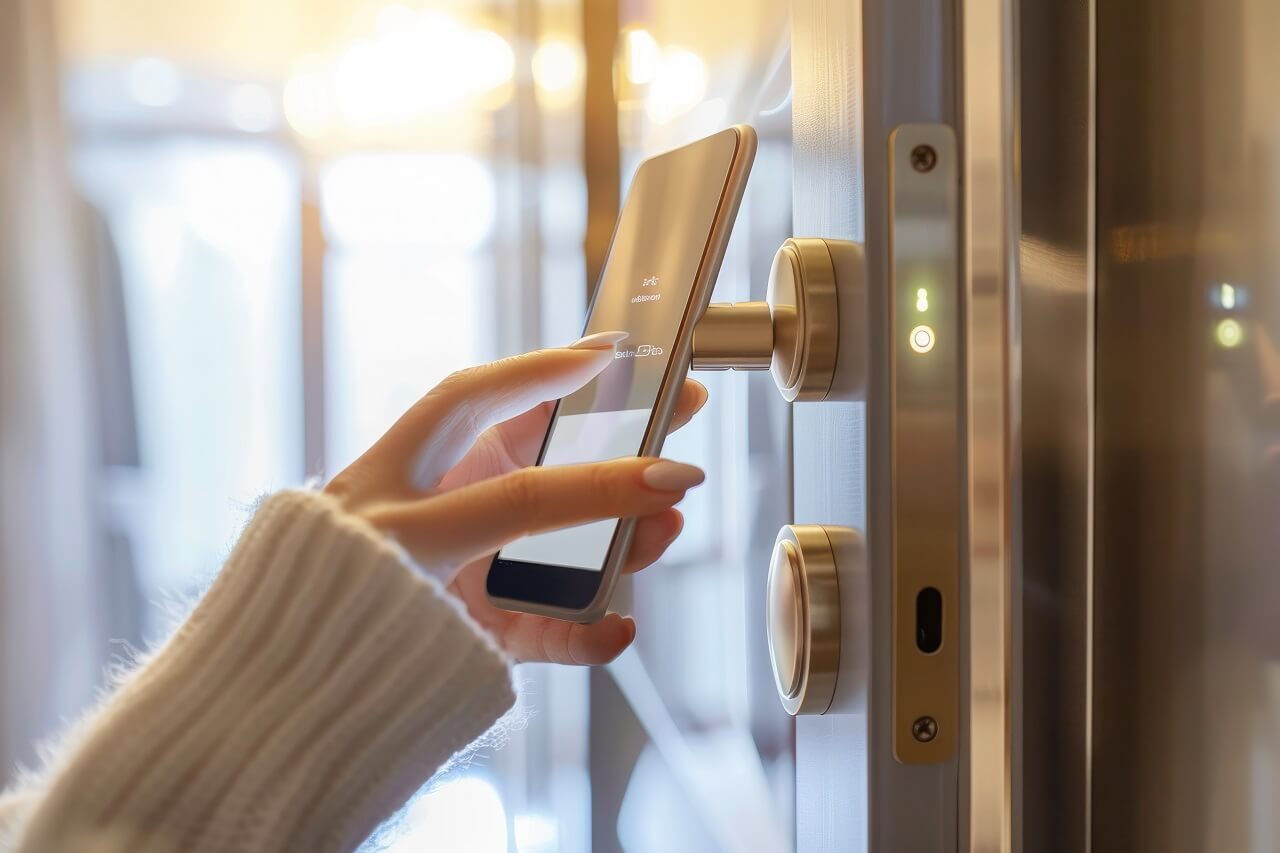
Table of Contents
-
How Do Smart Locks Work and Why Are They the Future of Security?
-
What Are the Advantages of Smart Locks Compared to Traditional Locks?
How Do Smart Locks Work and Why Are They the Future of Security?
Smart door locks are modern solutions that have transformed the way we secure our homes. They operate on intelligent access management, meaning doors can be locked and unlocked using a mobile app, Bluetooth, Wi-Fi, or biometric authentication such as fingerprint scanning. These technologies allow homeowners to manage access from anywhere in the world, giving full control over who can enter the property and when. This flexibility and innovation place smart locks at the forefront of modern security, offering a higher level of protection than traditional mechanical locks.
An essential part of access control in smart locks is the ability to monitor and log every entry and exit. This creates detailed access records that enhance security and accountability. Smart locks protect not only against physical break-ins but also against digital threats, thanks to frequent software updates and advanced encryption protocols. Compared to traditional solutions, smart locks deliver both physical security and peace of mind, ensuring that the home is protected by up-to-date technology at all times.
What Are the Advantages of Smart Locks Compared to Traditional Locks?
Smart door locks offer numerous advantages that make them more attractive than traditional mechanical locks. One of the biggest benefits is convenience. With remote access management through a mobile app, homeowners no longer need to worry about lost or forgotten keys. Many smart locks also use biometric authentication, such as fingerprints or facial recognition, which further enhances both security and ease of use.
Another advantage is installation flexibility. Many smart locks feature modular designs that allow installation without replacing the entire door mechanism. In addition, they provide a significantly higher level of security through encrypted communication and detailed access logs. Combined with remote monitoring and control, these features make smart locks a practical and effective solution for modern users seeking reliable and user-friendly home protection.
How to Integrate Smart Locks with a Smart Home System
Integrating smart door locks with a smart home system is a key step toward full home automation and improved comfort. This typically requires compatibility with popular IoT platforms such as Google Home, Amazon Alexa, or Apple HomeKit. Integration enables access control via voice commands or unified apps that manage multiple smart devices. Smart locks can also be included in automation scenarios, such as automatically locking doors at a specific time or synchronizing with lighting and alarm systems as part of a broader access control setup.
While integration offers significant benefits, including increased security and the elimination of physical keys, it also presents challenges. Ensuring device compatibility and protecting against cyber threats are critical considerations. Choosing smart locks that receive regular security updates and offer strong system support is essential. When implemented correctly, smart lock integration can significantly improve home management, making living spaces more intelligent, secure, and efficient.
Which Technologies Power Smart Door Locks?
Smart door locks rely on a range of advanced technologies that make them a core component of modern residential and commercial environments. Bluetooth technology enables secure smartphone-based unlocking, removing the need for physical keys. Wi-Fi allows remote access management and real-time monitoring, which is especially useful in offices, hotels, and rental properties where access must be tracked and controlled.
NFC technology supports fast and contactless unlocking, while biometric readers such as fingerprint scanners offer one of the highest levels of security available today. These technologies can be integrated with existing access management systems, improving operational efficiency and flexibility. Reliable software and regular security updates play a crucial role in protecting against cyber risks and expanding functionality, making smart locks an essential element of future-ready homes and workplaces.
Key Smart Lock Features Available on the Market
Smart door locks offer a wide range of advanced features designed to meet the needs of both residential and commercial users. Common functionalities include remote access management via mobile apps, allowing doors to be locked or unlocked from anywhere. Integration with smart home systems enables control through voice assistants and centralized platforms.
Many smart locks also support biometric authentication, such as fingerprint recognition, providing an additional layer of security. Other features include automatic locking at predefined times, detailed access logs, and real-time notifications for every access attempt. In commercial applications, such as office environments, these capabilities enhance security and oversight by keeping administrators informed at all times. Thanks to cross-platform compatibility and continuous software updates, smart locks have become a key component of both intelligent homes and modern workplaces.