Swing Gates in Public Spaces: Benefits and Applications
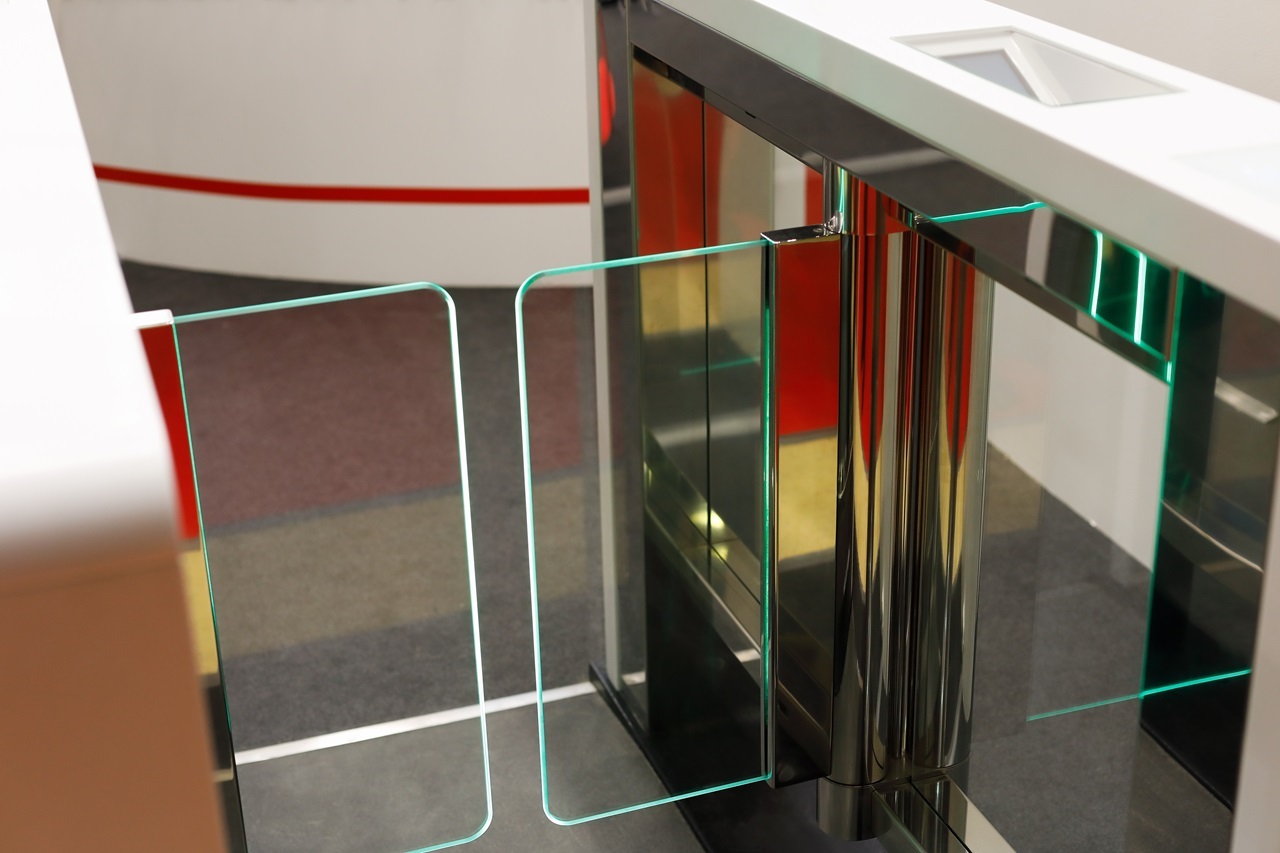
Table of Contents
Applications of Swing Gates in Public Spaces
Swing gates are widely used across public spaces, including supermarkets, metro stations, banks, and government buildings. They serve as effective tools for controlling pedestrian flow, enabling accurate monitoring of entry and exit while reducing unauthorized access. Whether installed in administrative offices, public institutions, or large retail environments, swing gates help maintain order and enhance safety.
Their broad adoption highlights their versatility. With the ability to open to the left, right, or in both directions, swing gates can be adapted to the specific requirements of each facility. In the event of a power failure, a mechanical locking system allows controlled operation using a dedicated key, reinforcing reliability. As a result, swing gates are becoming an increasingly popular access control solution across multiple public sectors.
Why Choose Swing Gates?
Choosing swing gates primarily means investing in enhanced security. They support controlled pedestrian movement and help restrict access to designated areas. Swing gates function effectively in both narrow and wide passages, adapting to the spatial constraints of each location. In emergency situations, the manual locking mechanism allows operators to manage movement using a special key, adding an extra layer of operational safety.
Beyond security, swing gates offer outstanding versatility. They integrate seamlessly into diverse environments, from supermarkets and public transport hubs to financial institutions. By guiding movement and preventing chaotic circulation, they contribute to an organized and orderly flow of people. Their robust construction and ease of use ensure long-term durability and dependable operation, making swing gates a smart, long-term investment in people flow management.
Types and Functions of Swing Gates
Swing gates are available in multiple variants, differing in functionality and design, while sharing core attributes such as durability, efficiency, and adaptability. They balance access control with smooth pedestrian flow, performing reliably during peak traffic as well as quieter periods.
Common types include high-security swing gates designed for strict access control, as well as open-gate models that allow free passage but close automatically when unauthorized access is detected. Gates also vary in height, from low-profile designs that blend discreetly into interiors to full-height models offering maximum security. Regardless of type, swing gates are equipped with a key-operated locking system, ensuring full control even during emergencies. Selecting the right model depends on the functional and aesthetic requirements of the specific location.
Emergency Locking Systems for Swing Gates
Ensuring a high level of safety in public spaces is essential, and swing gates play a critical role in achieving this goal. They feature dedicated emergency locking systems that become especially important during unexpected incidents such as power outages.
In high-traffic environments like shopping centers or metro stations, a loss of power can disrupt standard access mechanisms, potentially leading to confusion or safety risks. Swing gates equipped with mechanical locking systems allow operators to control movement manually using a special key, independent of electrical power. This ensures continued flow management, maintains order, and reduces risk during emergencies. Such emergency-ready functionality underscores the reliability and practical value of swing gates in public infrastructure.
Swing Gates vs Turnstiles: A Comparison
Swing gates and turnstiles are both widely used for access control, but they differ in several important aspects. Understanding these differences helps explain why swing gates are often the preferred choice.
Turnstiles are commonly used to manage large crowds but can pose challenges in emergency situations, as their structure may restrict evacuation. Swing gates, by contrast, can be unlocked quickly to allow free passage during emergencies. In addition, turnstiles are often perceived as less visually appealing and more suitable for specific environments, while swing gates offer greater design flexibility and broader applicability. Although turnstiles can provide effective access control, the adaptability and safety advantages of swing gates are driving their growing popularity in public spaces.
Choosing the Right Gate for a Public Facility
Selecting the appropriate gate for a public facility is a strategic decision that requires careful evaluation of the site’s specific needs. In locations such as cultural venues, shopping centers, and sports facilities, the right swing gate is essential for efficient pedestrian flow control and enhanced safety.
Key factors to consider include traffic intensity, facility layout, and the size and type of passageways. Emergency operation is also critical, making swing gates with key-operated locking systems an ideal solution. Effective people flow management directly impacts safety, operational efficiency, and user experience. Choosing a swing gate tailored to the unique requirements of a public facility is therefore a long-term investment that delivers lasting benefits.