Are Electronic Locks Resistant to Break-Ins? Facts and Myths
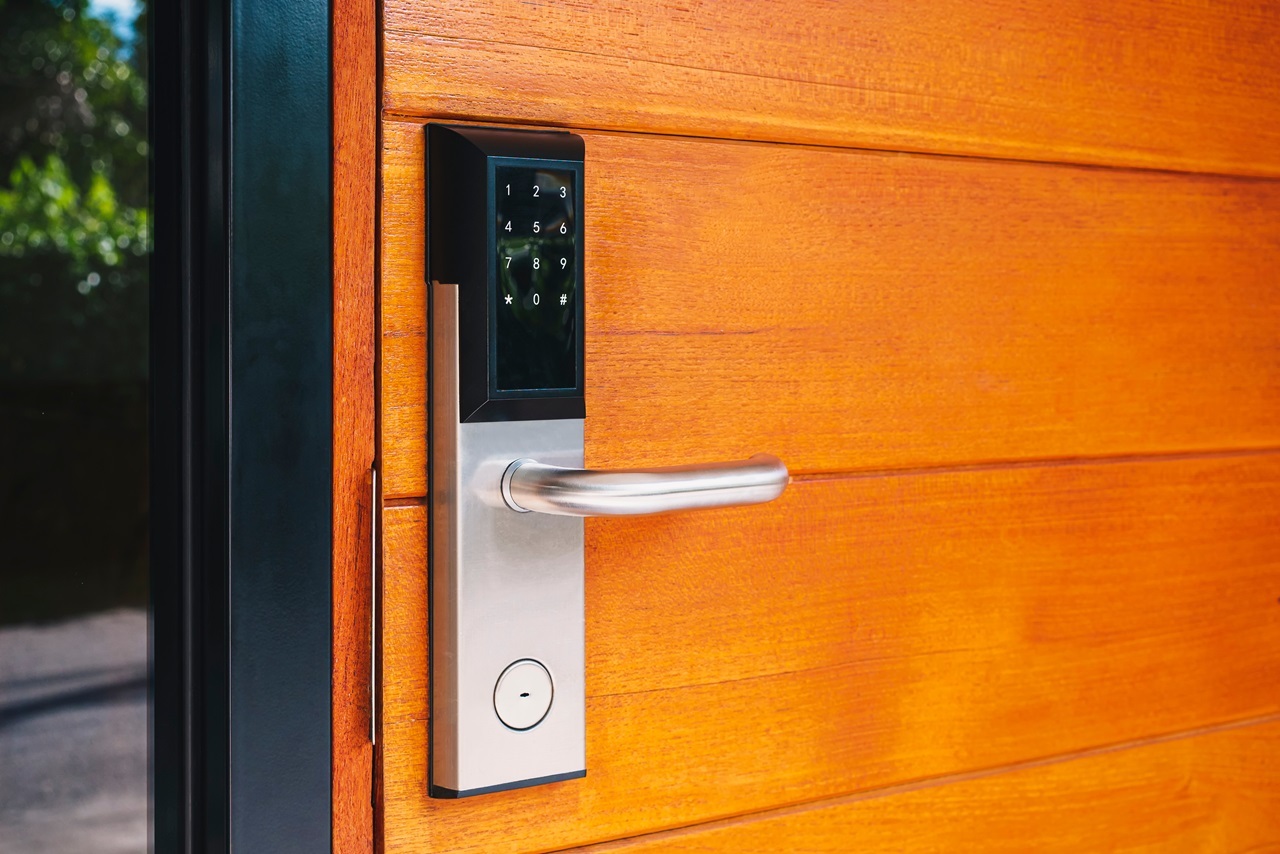
Table of Contents
Are Electronic Locks Resistant to Break-Ins?
Modern electronic locks are designed to provide a high level of protection against break-in attempts. Many models use advanced security technologies such as biometric authentication, including fingerprint recognition or facial recognition, which rely on unique user characteristics that are extremely difficult to replicate. In addition to biometrics, smart locks commonly use RFID, NFC, or Bluetooth technologies, allowing doors to be opened using cards, smartphones, or secure key fobs.
Electronic locks often include features such as remote management, activity logging, and real-time monitoring. Integration with mobile applications enables instant alerts in the event of unauthorized access attempts. When suspicious activity is detected, the system can notify the owner immediately or trigger an alarm. According to security experts, these capabilities frequently surpass those of traditional mechanical locks, offering greater flexibility, visibility, and overall protection.
The Role of Security Certifications in Office Locks
Security certifications play a critical role in evaluating the reliability and resistance of electronic locks used in office environments. Certified office locks are tested according to strict standards that verify their resistance to forced entry, mechanical wear, environmental factors, and electronic manipulation. These certifications confirm that a lock meets defined security classes and performance requirements.
European standards such as EN 14846 specify testing methods for electromechanical locks, including resistance to electrical manipulation, durability, fire resistance, and operational reliability. Another important standard, EN 1627, classifies resistance to break-ins from basic to very high levels, depending on the tools and time required to defeat the lock. Independent testing institutes may also assess locks across multiple categories, including corrosion resistance, drilling resistance, latch strength, temperature tolerance, and suitability for fire-rated or smoke-control doors.
Certified electronic locks give businesses confidence that the technology used, such as biometrics or remote access control, complies with international security standards and integrates safely with existing building protection systems. For companies focused on risk management and data protection, choosing certified solutions is an essential investment.
Are Electronic Locks Safer Than Traditional Locks?
Electronic and traditional locks each have their own strengths, but electronic locks offer several security advantages. Smart locks provide features such as access logs, real-time alerts, and the ability to instantly revoke credentials, which are not possible with mechanical keys. Biometric and digital authentication methods significantly reduce the risk of unauthorized duplication.
Traditional mechanical locks, on the other hand, rely on proven physical mechanisms and can be highly resistant to brute-force attacks when properly installed. However, they are vulnerable to key loss, theft, or copying, and they do not provide any visibility into attempted or successful access events. The overall security level depends on proper configuration, quality of components, and user behavior, but electronic locks generally offer more comprehensive protection when maintained and updated correctly.
The Most Common Myths About Electronic Locks
One widespread myth is that electronic locks are easy targets for hackers. In reality, modern electronic locks use encrypted communication protocols and secure authentication methods that significantly reduce the risk of cyberattacks. Technologies such as biometrics, RFID, and Bluetooth are implemented with advanced security layers to prevent unauthorized access.
Another misconception is that electronic locks are less durable than mechanical ones. In practice, electronic locks are subject to rigorous testing and certification processes that evaluate mechanical strength, electronic resilience, and long-term reliability. Many certified electronic locks meet or exceed the durability standards of traditional locks while offering additional monitoring and control features that mechanical systems cannot provide.
What Durability Tests Do Electronic Locks Undergo?
Electronic locks undergo extensive durability and resistance testing before they are approved for commercial or residential use. These tests include mechanical stress testing, such as resistance to drilling, pulling, and forced entry, as well as endurance tests involving tens or hundreds of thousands of opening and closing cycles. Environmental tests assess performance under extreme temperatures, humidity, and corrosion exposure.
Standards such as EN 14846 define detailed test procedures for electromechanical locks, ensuring consistent performance and safety. Only locks that successfully pass all required tests receive certification, confirming their ability to withstand both physical and environmental challenges over long periods of use.
Are Bluetooth or RFID Locks Protected Against Remote Attacks?
Bluetooth and RFID locks are widely used due to their convenience, but their security depends on proper implementation and maintenance. Modern systems use strong encryption, rolling codes, and secure authentication protocols to prevent signal interception, replay attacks, and unauthorized access. Regular firmware updates and compliance with current cybersecurity standards are essential to maintaining protection.
Certified Bluetooth and RFID locks that have passed independent security testing offer a high level of resistance to remote attacks. Selecting products from reputable manufacturers, ensuring regular software updates, and integrating locks into a broader access control strategy significantly increase overall security. When properly configured, these technologies provide a safe, reliable, and user-friendly solution for modern access management.