Electronic Lock with Bluetooth or RFID? Which One to Choose and Why
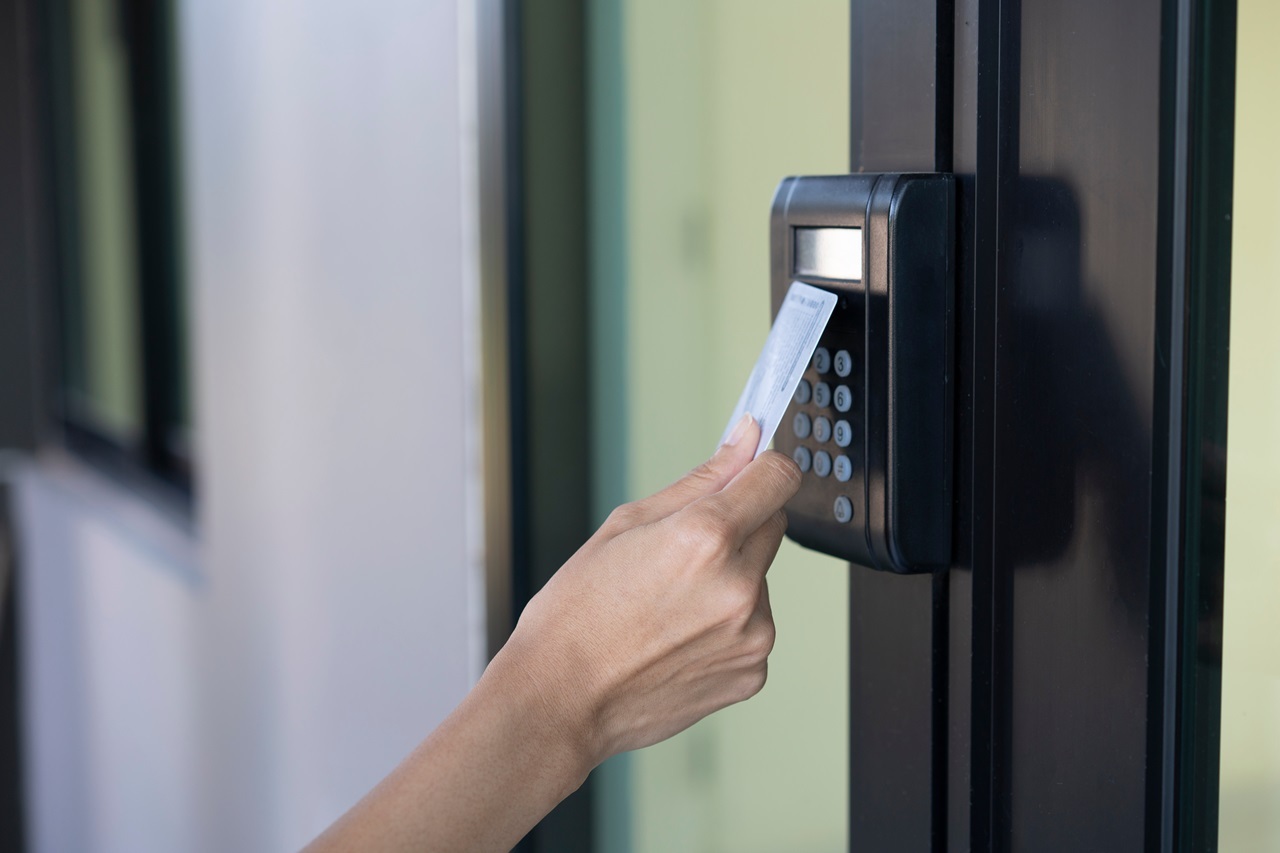
Table of Contents
How Does Bluetooth Technology Work in Office Locks?
Bluetooth technology is increasingly used in office locks, offering a modern and convenient access solution. Bluetooth-enabled office locks communicate wirelessly with users’ mobile devices, allowing doors to be unlocked via a dedicated mobile application. The process involves secure authentication between the smartphone and the lock, granting access only to authorized users. This eliminates the need for traditional physical keys and significantly reduces the risk of key loss.
Bluetooth office locks also enable advanced access management features. Administrators can remotely grant, modify, or revoke access rights, making this solution highly flexible for dynamic office environments. Encrypted communication ensures a high level of security, while personalization options allow different access levels for employees, visitors, or service staff. As a result, Bluetooth locks combine convenience, control, and modern security standards.
Are RFID Locks More Reliable Than Bluetooth?
RFID locks are often compared with Bluetooth locks in terms of reliability and stability. RFID technology is based on radio-frequency identification, allowing doors to be opened using cards, key fobs, or badges without physical contact. One of the key strengths of RFID locks is their independence from mobile devices and wireless signal quality. This makes them highly reliable, especially in environments with heavy network traffic or limited smartphone usage.
Unlike Bluetooth locks, RFID systems do not rely on a user’s phone battery or application functionality. This reduces the risk of access issues caused by device failure. However, RFID locks require physical credentials, which can be lost or shared. While Bluetooth systems offer greater flexibility, RFID locks are often perceived as more stable and predictable, particularly in large offices or industrial environments where consistent access is critical.
Cost and Functionality Comparison of Both Systems
When comparing costs, Bluetooth locks typically involve higher initial investment due to advanced hardware, mobile application development, and system integration. They may also generate ongoing costs related to software updates and battery maintenance. RFID locks are generally more affordable upfront, but additional expenses may arise from issuing and replacing cards or key fobs.
From a functionality perspective, Bluetooth locks provide greater flexibility, remote access management, and personalization options. RFID locks focus on simplicity, durability, and ease of use. In long-term operation, RFID systems may prove more cost-effective due to lower maintenance requirements, while Bluetooth systems excel in environments that demand frequent access changes and remote administration.
Recommendations for Different Types of Offices
The choice between Bluetooth and RFID locks should be based on the specific needs of the office environment. Modern offices with flexible work models, frequent staff changes, and remote administration requirements benefit greatly from Bluetooth locks. These systems allow quick access updates and seamless user management via mobile applications.
Traditional offices, manufacturing facilities, or organizations prioritizing reliability and simplicity may find RFID locks more suitable. Their stable operation, minimal dependency on external devices, and resistance to connectivity issues make them ideal for environments where uninterrupted access is essential. Evaluating daily workflows and security priorities helps determine which technology delivers the best results.
Advantages and Disadvantages of Each Solution
Bluetooth locks offer modern design, remote access management, and high flexibility. They are ideal for organizations that value convenience and advanced control features. However, they depend on mobile devices, batteries, and wireless communication, which may occasionally cause connectivity or maintenance challenges.
RFID locks provide simplicity, durability, and consistent performance. They are less prone to technical issues and require minimal user interaction. Their main drawback is the need for physical credentials, which can be lost or duplicated. The final choice depends on whether flexibility or long-term stability is the higher priority.
How to Integrate a Bluetooth or RFID Lock with an Access Control System
Integrating Bluetooth or RFID locks with an access control system begins with ensuring compatibility between the lock hardware and the existing software platform. Bluetooth integration typically involves configuring mobile applications, user authentication methods, and encrypted communication protocols. This enables centralized access management and remote control.
RFID integration requires registering cards or key fobs within the access control database and configuring readers to communicate with the central system. Both solutions benefit from regular software updates, proper user management, and ongoing monitoring of access events. Professional installation and configuration ensure reliable operation, high security, and seamless integration with broader access control infrastructure.