Integration of electronic locks with hotel systems – benefits and implementation
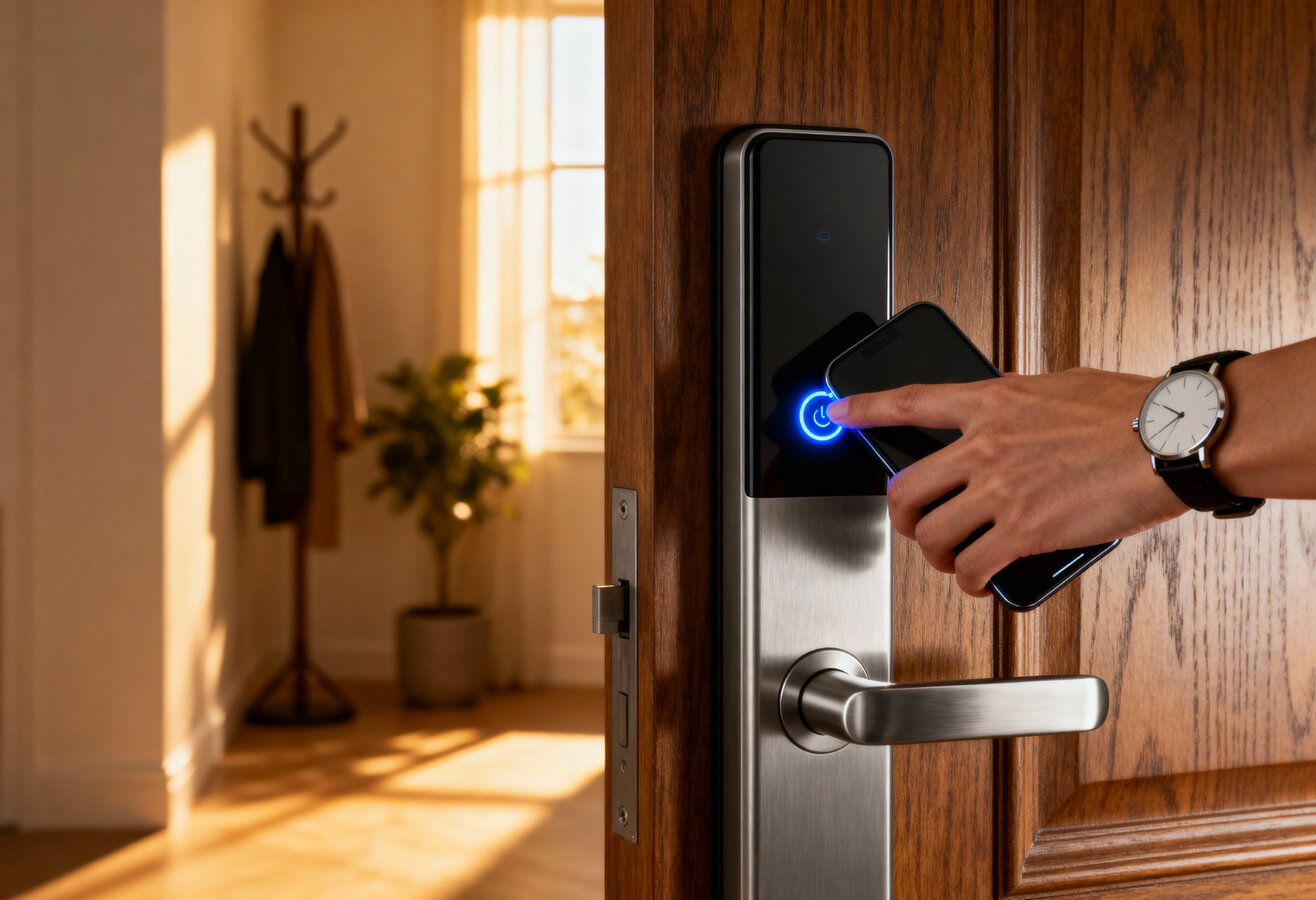
The integration of electronic locks with hotel systems is one of the most important trends in modern hospitality, directly impacting security levels, guest comfort, and staff efficiency. By connecting smart locks with advanced access control systems and modern hotel software, accommodation facilities can fully automate check-in processes, access management, and security monitoring.
Table of contents:
Integration of electronic locks with hotel systems – what you should know
The integration of electronic locks with hotel systems involves connecting intelligent door-locking mechanisms with centralized property management software, such as a PMS (Property Management System). As a result, hotel locks no longer operate as standalone devices but become part of a cohesive technological ecosystem. In practice, this means that room access can be granted and revoked automatically—without manual staff intervention.
Integrated access control systems enable the creation of cards, PIN codes, or mobile keys in real time, precisely for the duration of a guest’s reservation. This level of automation reduces the risk of errors, such as assigning the wrong room, and significantly increases overall security. Moreover, integration transforms hotel software into a central tool for managing not only reservations but also physical access to the property.
Key benefits for hotels and accommodation facilities
One of the greatest advantages of integrating electronic locks with hotel systems is a tangible improvement in security. Hotel locks integrated with access control systems allow precise monitoring of who enters a room or specific areas and at what time. In the event of disputes, management has access to event logs, making it easier to quickly clarify incidents. Event logs are particularly important in cases such as:
-
complaints,
-
disputes with guests,
-
insurance requirements.
Another significant benefit is time savings for front desk staff. Thanks to integration, many processes are automated—from card encoding to automatic deactivation at the end of a stay. Hotel software combined with electronic locks also enables more efficient management of access to SPA areas, gyms, or parking facilities. Guests enjoy greater convenience, while the hotel builds an image of a modern and secure property.
The role of access control systems in modern hospitality
Access control systems are now the foundation of security management in hotels. Their role goes beyond simply locking and unlocking doors—they also enable advanced access scenarios for different user groups. Integrating electronic locks with hotel systems ensures that each guest, employee, or contractor has precisely defined permissions, tailored to the duration and scope of their stay or work.
As a result, hotel locks protect not only guest rooms but also technical areas, storage rooms, and administrative offices. Hotel software allows quick modification of access rights without the need for physical card or key replacement. This is particularly important in large facilities, where the number of people using the infrastructure changes dynamically every day.
Integration with hotel software – how it works in practice
In practice, integrating electronic locks with hotel systems is based on communication between the locks and a central management system. Hotel software sends reservation data to the access control system, which then generates the appropriate permissions. This process can be fully automated.
The implementation process should be carefully planned and tailored to the specific characteristics of the property. The first step is a technical audit to assess the current infrastructure and integration possibilities. At this stage, the compatibility of existing systems with the new solution is also analyzed.
Next, suitable hotel locks and access control systems are selected to best meet the property’s needs. This is followed by configuring the hotel software and connecting it with the electronic locks. In the final phase, functional testing and staff training are carried out.
Challenges and risks associated with system integration
Although integrating electronic locks with hotel systems offers many benefits, the process may involve certain challenges. One of them is ensuring full compatibility between devices from different manufacturers. Not all hotel locks are immediately ready to work with every type of hotel software, which requires careful analysis during the design phase.
Data security is another critical aspect. Access control systems process sensitive information, so encryption and regular software updates are essential. Proper staff training is also crucial to fully utilize the integrated system’s capabilities and avoid operational errors. Professional technological support—such as that provided by WANO Solutions—can significantly reduce the risk of issues.
Summary – the future of integration in hospitality
WANO Solutions specializes in designing and implementing modern solutions for the hospitality industry, including the integration of electronic locks with hotel systems. With extensive experience and in-depth market knowledge, we offer a comprehensive approach—from needs analysis and hardware selection to integration with existing hotel software. Clients benefit not only from proven technologies but also from professional consulting and ongoing technical support.
For hotels seeking to keep up with trends and build a competitive advantage, investing in integrated solutions is an obvious step. Working with an experienced partner allows the implementation process to be smooth and secure, delivering long-term benefits for both the property and its guests.