How RFID technology improves guest service in accommodation facilities
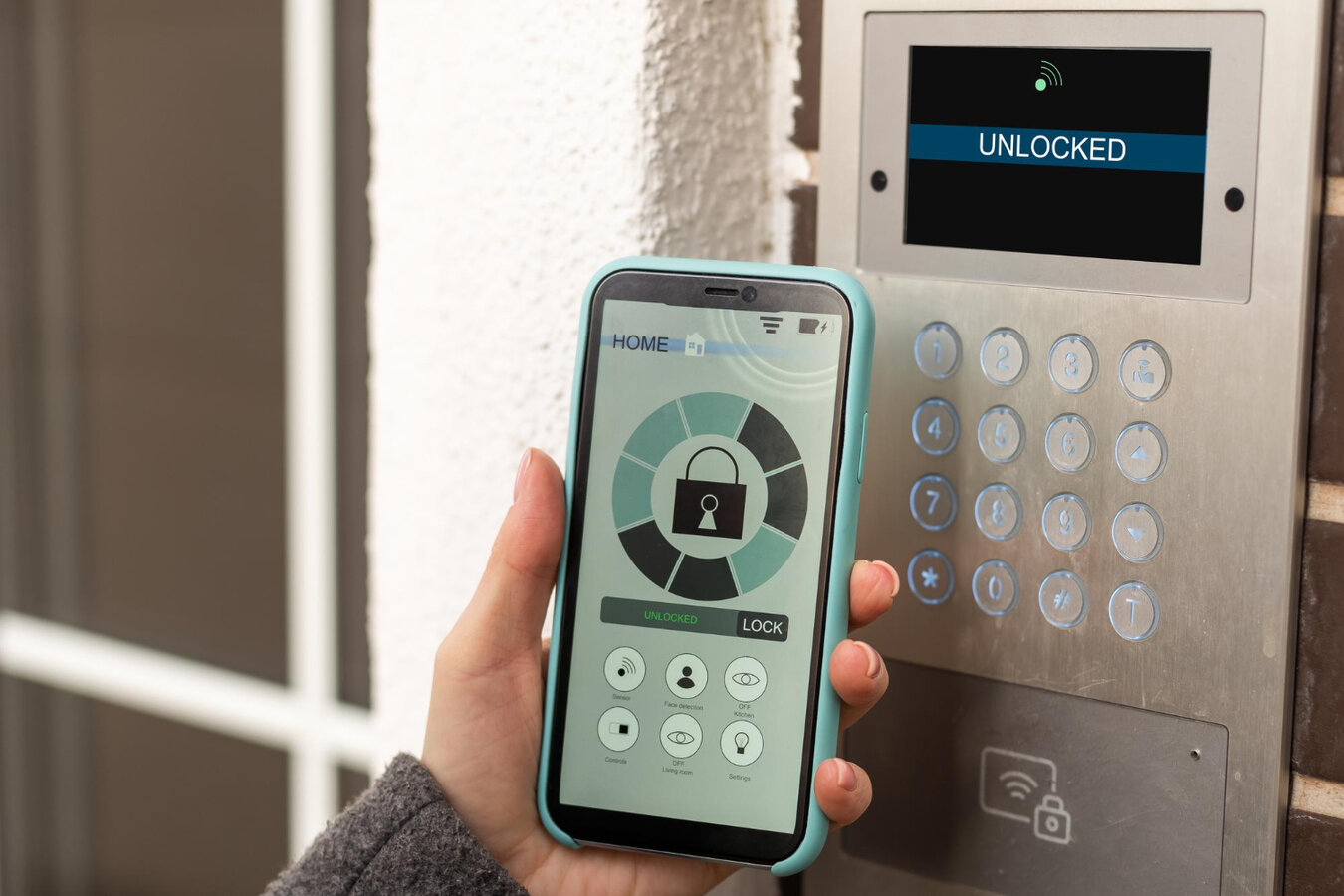
The modern hospitality industry is developing rapidly, and guests expect services at the highest level. Increasingly, RFID technology in accommodation facilities has become a central element of hotel systems. RFID-based solutions are used in daily guest service, streamline operational processes, and enhance the overall comfort of a stay. In this article, we outline the practical benefits of using RFID in guest service.
Table of contents:
What is RFID and how does it work in hotels?
RFID (Radio Frequency Identification) is a radio identification system that enables contactless communication between a data carrier—such as a card or key fob—and a reader. In accommodation facilities, RFID is primarily used to manage access to rooms and shared spaces. Guests receive an RFID card that they simply present to a reader to unlock the door. This makes the entire guest service process fast, secure, and intuitive. RFID does not require line of sight, meaning the card can be read even through a wallet or bag, which significantly increases user convenience.
Access control systems – security and efficiency
One of the most important applications of RFID technology in accommodation facilities is access control systems. Traditional keys are replaced with RFID cards or key fobs, which are harder to copy and easier to deactivate if lost. In this context, access control systems offer:
-
centralized management of guest permissions,
-
detailed logs of entries and exits,
-
quick card deactivation in case of loss,
-
integration with the front desk and PMS systems.
As a result, hotels gain greater control over security, while guests feel more confident using modern solutions.
Smart locks – comfort without compromise
More and more hotels are equipped with smart locks that work with RFID. Such hotel locks allow seamless door opening without inserting a key. Guests simply bring the card close to the reader, speeding up room access and eliminating frustrations associated with traditional keys.
Smart locks also enable access personalization (e.g., time-limited access to SPA areas), integration with mobile applications, and remote permission management by staff. These solutions raise service standards and contribute to positive online reviews.
RFID technology in accommodation facilities – automating front desk processes
The use of RFID in guest service has a significant impact on front desk automation and work speed. Instead of traditional check-in with paperwork and key handovers, guests can use self-service kiosks or mobile apps. This makes check-in much faster. Integration of RFID with front desk systems allows for:
-
automatic assignment of cards to reservations,
-
quick verification of access to additional services,
-
reduced queues and staff workload.
This translates into better guest experiences and higher operational efficiency for the hotel.
Integration of RFID with other hotel systems
RFID technology in accommodation facilities can be used not only for room doors but also across other hotel areas. These systems integrate with room lighting and climate control, cashless payments (e.g., minibar), and access to gyms, SPAs, or conference rooms.
This comprehensive approach supports service personalization and enables hotels to tailor offerings to guest needs. Automation based on RFID also contributes to energy savings and operational cost optimization—making it a solution that truly pays off.
Benefits of RFID for guests and staff
The benefits of using RFID in guest service are felt by both visitors and hotel staff. Key advantages include reduced service time and greater convenience during check-in, as well as improved security through individualized access rights.
Additionally, RFID helps reduce human error and streamlines the work of front desk and technical teams. For guests, this means a more pleasant and convenient stay; for hotels, it supports a positive brand image and increased customer loyalty.
RFID, stay personalization, and security considerations
Data generated by access control systems enables hotels to better understand guest preferences. By analyzing how often certain services are used, properties can tailor additional offerings, prepare personalized greetings, and recommend attractions based on previous behavior. RFID technology in accommodation facilities thus becomes a tool for building guest relationships—not just infrastructure.
It is important to note that RFID systems require proper implementation and management. Key considerations include:
-
protection against card skimming,
-
regular software updates,
-
staff training on system operation.
Properly configured solutions minimize risks and ensure compliance with personal data protection regulations.
The future of RFID in the hospitality industry
The outlook for RFID technology in accommodation facilities is very promising. Trends point toward deeper integration with mobile applications, broader use in smart solutions, and real-time service personalization. Hotels that invest in RFID today can expect improved operational efficiency, higher guest satisfaction, and a stronger competitive advantage.
Using RFID in guest service is one of the key directions of technological transformation in the hospitality industry. RFID technology in accommodation facilities supports security, comfort, and efficiency while opening the door to further service personalization. Implementing modern access control methods, smart locks, and seamless integration with other hotel systems is an investment that pays off through satisfied guests and more efficient staff operations.